European tourism is expected to maintain its strong performance in 2026, with the sector forecast to grow faster than the wider European economy. According to the World Travel & Tourism Council (WTTC), travel and tourism activity across Europe will increase by 3.1% compared with 2025, exceeding last year’s growth rate of 2.6%.
The forecast reflects the continued importance of tourism as a source of economic activity, employment and investment across the continent. Despite ongoing geopolitical uncertainty and economic pressures, the industry is expected to remain one of Europe’s important growth sectors.
The figures were presented during a WTTC gathering held in Valletta, Malta, in October, which brought together senior representatives from the international tourism industry and government officials.
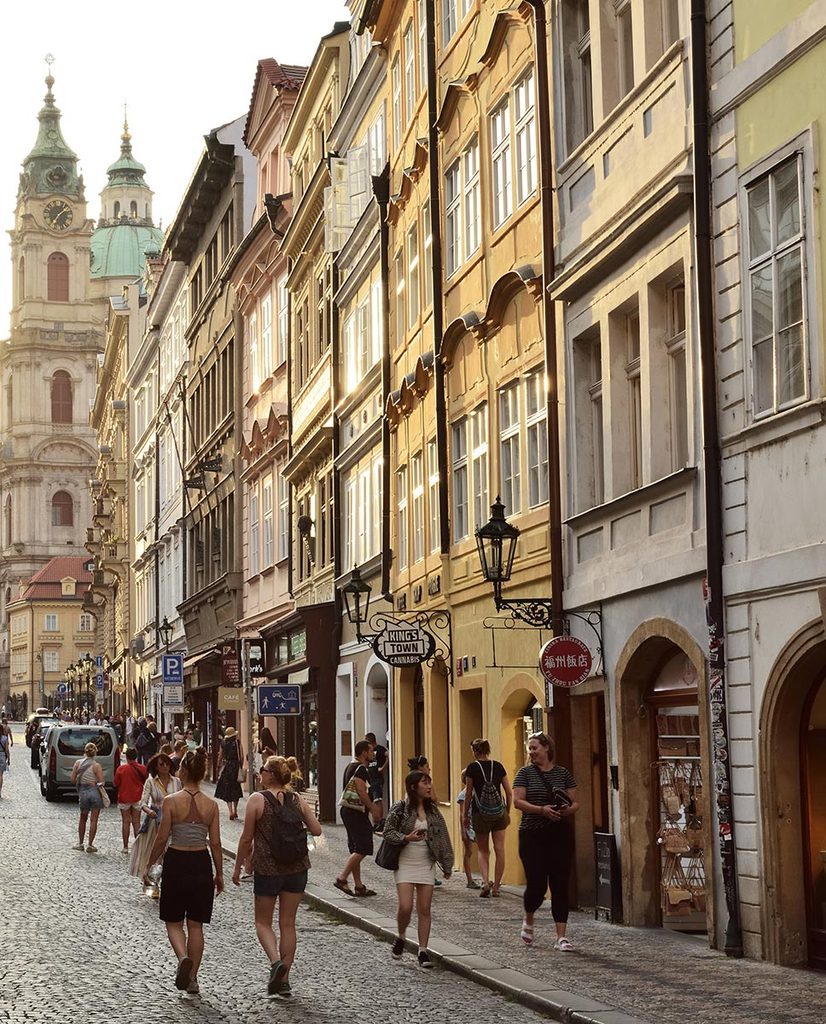
Image by Guozhen Jing from Pixabay
International tourist spending expected to rise by almost 6%
One of the most encouraging findings in the WTTC forecast concerns international visitor spending. Expenditure by international tourists in Europe is expected to increase by almost 6% in 2026 compared with the previous year.
Spending on leisure travel is forecast to grow by approximately 3%, while business travel expenditure could increase by 4.2%.
The figures indicate that demand for European destinations remains strong, with both holidaymakers and business travellers contributing to the sector’s expected growth.
International visitor spending is particularly important for destinations that depend heavily on overseas tourism. It supports accommodation providers, restaurants, transport operators, attractions and numerous smaller businesses that form part of the wider tourism industry.
The projected increase could therefore benefit not only major European tourist destinations but also smaller towns, coastal communities and regions where tourism represents an important source of income.
Tourism continues to support millions of jobs
WTTC also highlights the industry’s contribution to employment throughout Europe. Travel and tourism supports millions of jobs, both directly and indirectly, and remains an important source of economic opportunities for businesses and local communities.
The sector extends far beyond hotels and travel agencies. Its economic impact includes airlines, ferry and other transport operators, restaurants, tour companies, cultural attractions, retailers and a wide range of service providers.
Tourism also plays an important role in supporting employment in areas where other major economic activities may be limited. Coastal regions, islands and rural destinations are particularly dependent on visitor spending, making the industry’s continued development important for local economies.
The WTTC believes that the expected growth in 2026 will further strengthen tourism’s position as a major contributor to Europe’s economic performance.
Global tourism also expected to outperform the economy
The positive outlook is not limited to Europe. At the global level, WTTC forecasts tourism growth of approximately 2.5% in 2026, despite geopolitical tensions, economic uncertainty and other challenges affecting international travel.
According to the organisation, the sector continues to demonstrate considerable resilience and is expected to expand faster than the wider global economy.
The scale of its contribution was already evident in 2025. Travel and tourism contributed approximately US$11.6 trillion to the global economy, representing 9.8% of worldwide GDP.
The industry also supported 366 million jobs around the world, equivalent to approximately one in every nine jobs globally.
These figures underline how important tourism has become to the international economy. Its influence extends across numerous industries, while its development creates opportunities for investment, employment and infrastructure improvements.
WTTC calls for better conditions for tourism growth
Commenting on the outlook, WTTC representatives emphasised the resilience of the travel and tourism industry and its continued willingness to invest and innovate.
However, the organisation also stressed that governments have an important role to play in supporting the sector’s future development.
Among the priorities identified are making international travel easier, improving transport connectivity and providing stronger support for sustainability.
Efficient transport connections are particularly important for European tourism, where visitors frequently combine several destinations during a single trip. Better air, rail, road and maritime connections can make it easier for travellers to reach less accessible regions and encourage tourism beyond the main cities and established holiday destinations.
Sustainability is another major consideration. As visitor numbers increase, destinations face the challenge of balancing economic benefits with the protection of natural resources, local communities and cultural heritage.
WTTC argues that governments and the private sector need to work together to create the conditions for sustainable, long-term tourism growth.
More than 1,000 participants gather in Malta
The WTTC meeting in Valletta attracted more than 1,000 participants, including over 200 senior executives from the travel and tourism industry, alongside government representatives and other international figures.
Among those attending were former Canadian Prime Minister Justin Trudeau and former Spanish Prime Minister José María Aznar. European Commissioner for Sustainable Transport and Tourism Apostolos Tzitzikostas also took part, as did Nick Adams, the US President’s special envoy for tourism.
The gathering provided an opportunity for discussions about the future of international tourism, economic development, investment and cooperation between governments and the private sector.
Croatia was also represented at the event by Minister of Tourism and Sport Tonči Glavina. According to his social media announcement, Glavina held meetings with Malta’s Deputy Prime Minister and US tourism envoy Nick Adams.
The discussions focused on European tourism and strengthening cooperation with Croatia.
What the growth forecast means for Croatia
The WTTC forecast is also relevant for Croatia, where tourism represents a significant part of the national economy.
As one of Europe’s established coastal and island destinations, Croatia depends on international visitors and the transport connections that allow them to reach the country and travel between its regions.
An increase in international tourist spending across Europe could provide further opportunities for Croatian accommodation providers, restaurants, transport companies and other tourism-related businesses.
However, continued growth also brings challenges. Improving transport connections, managing seasonal visitor numbers and investing in sustainable tourism infrastructure will remain important for maintaining the country’s competitiveness.
For coastal destinations and islands in particular, reliable maritime connections are an essential part of the wider tourism experience. Ferries and passenger services link mainland transport networks with island communities, supporting both visitors and residents throughout the year.
The WTTC forecast suggests that the European tourism industry will continue to expand in 2026, creating opportunities for destinations across the continent. Whether these opportunities translate into long-term benefits will depend on how effectively governments and businesses address connectivity, investment and sustainability.
With European tourism expected to grow by 3.1%, the outlook remains positive, even as the industry continues to navigate an increasingly complex global environment.