Travnik is one of the most interesting historic towns in central Bosnia and Herzegovina. Known as the City of Viziers, it was an important administrative centre during the Ottoman period and still has a distinctive old town filled with mosques, traditional houses, narrow streets and historic buildings.
The town is also the birthplace of Nobel Prize-winning writer Ivo Andrić. Beyond its cultural heritage, Travnik is known for its mountain scenery, local food and the nearby Vlašić Mountain. Its compact centre makes it easy to explore on foot, and it is a natural stop for travellers exploring the route between Sarajevo and Jajce.
If you are planning a visit, here are the best things to see and do in Travnik.
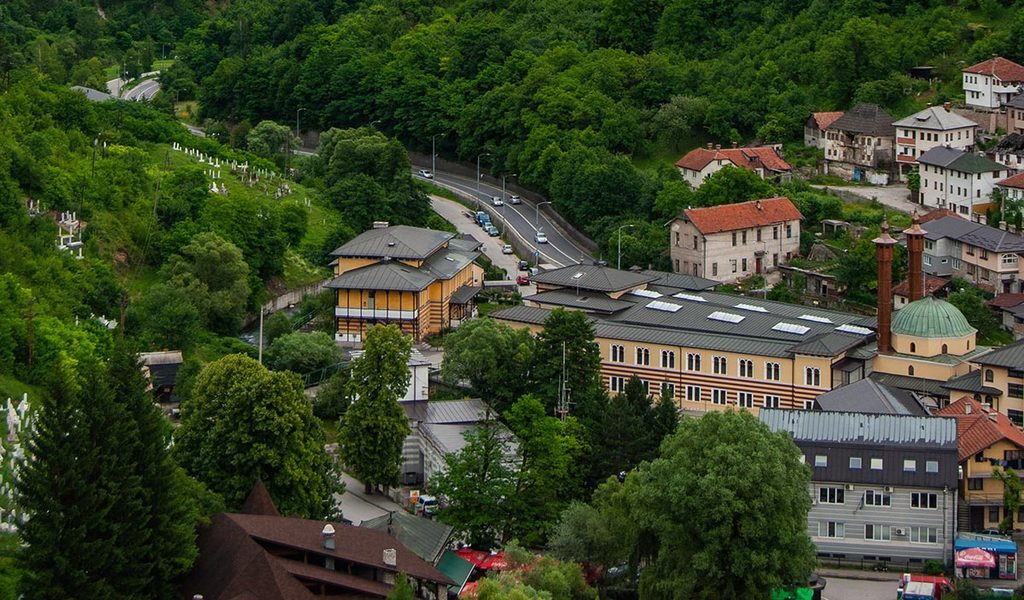
1. Explore Travnik Fortress (Stari Grad)
Travnik Fortress, also known as Stari Grad, is the town’s most recognisable historic landmark. Standing on a hill above the old town, this medieval fortress offers some of the best views across Travnik and the surrounding Lašva Valley.
Historians generally date its construction to the late 14th or early 15th century, although its exact origins and builder remain uncertain. The fortress was later modified during the Ottoman period, giving it features from different historical eras.
Visitors can walk around the defensive walls, explore the towers and see the exhibitions inside the complex. The views from the upper sections are particularly rewarding, with the town’s red roofs and surrounding hills creating an attractive panorama.
The climb involves some uneven paths and steps, so comfortable footwear is recommended.
2. Visit the Colourful Mosque (Šarena džamija)
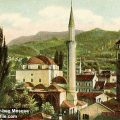
One of Travnik’s most distinctive buildings is the Sulejmanija Mosque, commonly known as the Colourful Mosque or Šarena džamija.
It stands in the historic centre, close to the old bazaar, and is easily recognised by its richly decorated exterior. Floral patterns and colourful painted details make it different from many other Ottoman-era mosques in the country.
The mosque is also notable for its location above a covered market area, known as a bezistan. This combination of religious and commercial architecture reflects the importance of Travnik as an Ottoman administrative and trading centre.
As it remains an active place of worship, visitors should dress respectfully and avoid entering during prayer times.
3. Walk Through the Old Bazaar (Čaršija)
The old bazaar is one of the best places to experience the traditional atmosphere of Travnik. Its streets are lined with small shops, cafés and restaurants, with historic buildings providing a reminder of the town’s Ottoman past.
Take time to explore the lanes around the Colourful Mosque and the main commercial streets. You will find traditional crafts, local products and places to stop for Bosnian coffee.
The bazaar is also a good starting point for exploring the town’s other historic landmarks. Travnik is compact enough to discover on foot, so there is no need to rush between attractions.
4. Relax at Plava Voda
Plava Voda, meaning Blue Water, is one of Travnik’s best-known natural attractions. This spring-fed stream emerges at the foot of the hill below the old town, creating a pleasant waterside setting surrounded by trees and traditional buildings.
A series of cafés and restaurants follow the water, making this one of the most popular places in town to take a break. It is particularly appealing during warmer months, when visitors can sit outside and enjoy the sound of flowing water.
Plava Voda is close to the old centre and can easily be included in a walking tour of Travnik. It is also a good place to try local food, including the town’s famous ćevapi.
5. Visit the Birthplace of Ivo Andrić
Travnik is the birthplace of Ivo Andrić, the Bosnian-born writer who received the Nobel Prize in Literature in 1961.
He was born here on 9 October 1892, and his former family home in the Zenjak neighbourhood has been converted into a memorial museum. The exhibition presents objects and information connected with his life, literary career and relationship with Travnik.
The museum is particularly interesting for visitors who want to understand the cultural history of the town. Andrić’s novel The Bridge on the Drina is among his best-known works, while The Travnik Chronicle explores the town during the period of Ottoman rule and European consular activity.
The museum is managed as part of the Regional Museum of Travnik. Check its official visitor information before your visit, as opening arrangements may change.
6. See the Tombs of the Ottoman Viziers
Travnik’s importance during the Ottoman period is reflected in several historic monuments around the town, including the tomb structures associated with its former viziers.
The town served as the seat of Ottoman governors of Bosnia from 1699 until 1850. During this period, it became an important political and administrative centre, and its architecture and urban layout developed accordingly.
The tombs, known locally as turbe, are reminders of the officials who governed the region. They are worth looking out for while walking through the historic centre, particularly if you are interested in the town’s Ottoman heritage.
7. Discover the Regional Museum of Travnik
For a broader understanding of the town and its surroundings, visit the Regional Museum of Travnik.
Established in 1950, the museum collects and preserves archaeological, historical, ethnological and natural heritage from the Travnik region. Its collections help explain the area’s development and the different communities that have shaped its history.
The museum also has a gallery, library and photographic collection. It is a useful stop for visitors who want to learn more about central Bosnia beyond the main monuments.
8. Explore the Town’s Historic Clock Towers
Travnik has two historic clock towers, which are among the recognisable features of its old town.
Clock towers were important landmarks in many Ottoman towns, serving as public timekeeping points before modern clocks became common. Travnik’s towers add to the historic character of the centre and are worth including on a walking route through the bazaar and surrounding streets.
Look out for them as you explore the older parts of town, where they form part of the wider architectural heritage.
9. Take a Trip to Vlašić Mountain
Vlašić Mountain rises above Travnik and is one of the region’s best-known outdoor destinations. It offers a very different experience from the historic town centre, with open landscapes, mountain villages and opportunities for outdoor activities.
During winter, Vlašić is a popular destination for skiing and other snow activities, particularly around the Babanovac area. In warmer months, visitors come for walking, cycling and enjoying the cooler mountain air.
The mountain is also closely associated with Vlašić cheese, a traditional white sheep’s cheese produced in the surrounding area. Trying it is one of the local food experiences worth adding to a visit.
A trip to Vlašić requires transport from Travnik, and the mountain road is winding. Allow extra time, especially during winter conditions.
10. Try Travnik Ćevapi and Local Food
Food is an important part of a visit to Travnik. The town is particularly famous for its ćevapi, small grilled portions of minced meat traditionally served in flatbread with chopped onions and other accompaniments.
Another local speciality is Vlašić cheese, which is associated with the mountain above the town. You can also find traditional Bosnian dishes, grilled meats, soups and pastries in local restaurants.
For a relaxed meal, the area around Plava Voda is a popular choice. Alternatively, explore the old bazaar and its traditional cafés and eateries.
How to Get to Travnik
Travnik is located in central Bosnia and Herzegovina, approximately 90 kilometres northwest of Sarajevo. The town lies on the main road connecting Sarajevo with central and western parts of the country, making it convenient to include in a wider road trip.
By car: The drive from Sarajevo usually takes around an hour and a half, depending on traffic and road conditions. Travnik is also a convenient stop when travelling between Sarajevo and Jajce.
By bus: Regular bus services connect Travnik with Sarajevo and other towns in Bosnia and Herzegovina. The journey from Sarajevo generally takes around two hours, although the exact duration depends on the service and stops. Check departure times with the bus operator before travelling.
There is no railway station in Travnik, so visitors generally arrive by road.
Once in town, most of the main attractions are within walking distance of one another. A car is useful if you also plan to visit Vlašić Mountain.
Best Time to Visit Travnik
Travnik can be visited throughout the year, although the best time depends on the activities you have planned.
Spring and autumn are good seasons for exploring the old town, visiting the fortress and walking around Plava Voda. Temperatures are generally more comfortable than during the summer months.
Summer is suitable for sightseeing and outdoor dining, while winter brings snow to Vlašić Mountain and attracts visitors interested in skiing and winter sports.
If you plan to visit the fortress or museums, check their opening arrangements in advance, particularly outside the main tourist season.
How Much Time Do You Need in Travnik?
You can see the main attractions in Travnik in around half a day, including the fortress, Colourful Mosque, old bazaar and Plava Voda. If you also want to visit the Ivo Andrić Memorial Museum and Regional Museum, allow more time.
Travnik is particularly easy to combine with a visit to Jajce, making the two towns a good addition to a central Bosnia itinerary. If you want to explore Vlašić Mountain as well, consider staying overnight rather than trying to fit everything into one day.
With its medieval fortress, Ottoman architecture, literary heritage and mountain setting, Travnik offers a rewarding introduction to a part of Bosnia and Herzegovina that is sometimes overlooked by visitors heading directly to Sarajevo or Mostar.