Croatia’s Plitvice Lakes National Park has received international recognition, earning a place on the Green Destinations Top 100 Stories list for 2026. The selection highlights 100 inspiring examples of good practice in sustainable tourism from around the world, recognising destinations that combine tourism development with the protection of natural and cultural heritage.
This year’s recognition focuses on the national park’s cooperation with local producers and its efforts to promote traditional products from the Lika region. The initiative demonstrates how one of Croatia’s best-known tourist attractions can support the surrounding community by incorporating local food, handicrafts and regional traditions into its visitor offer.
The recognised project is titled Local Products in a Protected Area: Supporting the Preservation of Tradition, Local Economic Development and an Authentic Visitor Experience. It highlights the connection between tourism, regional identity and opportunities for small local businesses.
Green Destinations recognises sustainable tourism initiatives worldwide
Green Destinations is an international organisation promoting responsible tourism and sustainable destination management. Its annual Top 100 Stories programme presents examples of projects that demonstrate how tourism can contribute to nature conservation, cultural heritage protection and the development of local communities.
Rather than ranking destinations according to visitor numbers or popularity, the programme focuses on individual initiatives, the challenges they address, the solutions introduced and their results.
Plitvice Lakes’ inclusion therefore recognises a particular approach to tourism management: connecting the national park’s international reputation with the economic and cultural identity of the surrounding region.
Local Lika products become part of the visitor experience
At the centre of the recognised initiative are locally produced goods incorporated into the national park’s restaurants, catering facilities and souvenir shops.
Visitors can discover products associated with the Lika region alongside the park’s famous lakes and waterfalls. These include local honey, cheeses, fruit preserves, traditional drinks, handicrafts and other products reflecting the area’s agricultural and cultural heritage.
Particular attention is given to products carrying the Lika Quality label, a regional quality scheme that brings together producers of food, beverages, souvenirs and other locally connected products.
The label helps visitors identify products associated with the region and its traditions. In the national park’s souvenir shops, Lika Quality products receive special visibility, while local ingredients and traditional dishes are also included in the catering offer.
This gives visitors an opportunity to experience more of Lika beyond the natural attractions of the national park, while providing local producers with access to an international audience.
Supporting small producers and the regional economy
Cooperation between the national park and local businesses can be particularly valuable for small family producers, agricultural holdings and craftspeople.
Being able to sell products through a major tourist destination creates additional sales opportunities and provides access to visitors from different countries. For smaller businesses, this can help expand their markets and establish longer-term relationships with the tourism industry.
The initiative also supports the preservation of traditional knowledge, recipes, crafts and production methods passed down through generations.
By incorporating these products into a modern tourism offer, the national park helps give traditional local businesses greater visibility while contributing to the economic development of the wider Lika region.
Lika Quality connects regional identity with tourism
The Lika Quality label plays an important role in presenting regional products to visitors and distinguishing them from goods that do not have the same local connection.
For tourists visiting Plitvice Lakes, this means that discovering the destination can extend beyond walking trails, viewpoints and waterfalls. Tasting a traditional dish or purchasing a locally made product becomes another way to experience the region.
The national park’s international reputation also provides an important platform for smaller producers who might otherwise find it difficult to reach a global audience.
The cooperation involves several participants, including the national park administration, local producers, hospitality businesses and the wider community. This creates opportunities for stronger links between tourism and local economic activity.
However, the national park also acknowledges that local production capacity cannot always meet the needs of a large tourism operation. Despite this limitation, the quality and distinctive character of regional products remain important reasons to continue developing cooperation with local suppliers.
Sustainable tourism goes beyond nature conservation
As a protected area, Plitvice Lakes has a responsibility to preserve its sensitive natural environment while managing tourism activities in a responsible way.
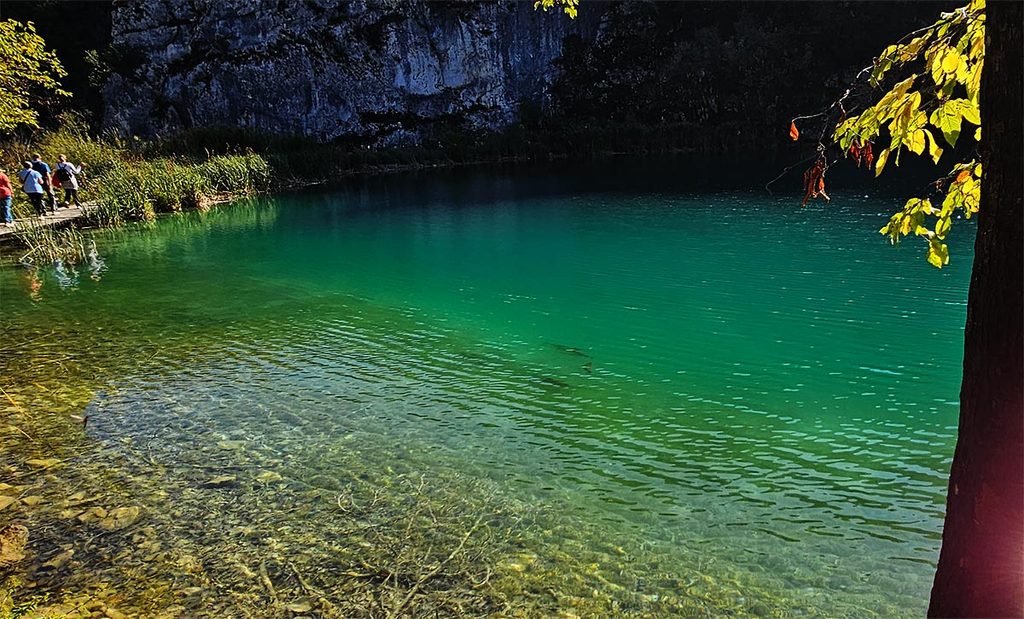
The park is Croatia’s oldest and largest national park and forms part of the UNESCO World Heritage List. Its lakes, waterfalls, travertine barriers and surrounding forests represent an important natural heritage that requires long-term protection.
However, sustainable tourism also involves the relationship between a destination and the people living in its surrounding area.
Supporting local producers can help strengthen rural businesses, preserve traditional activities and create additional economic opportunities. Shorter supply chains may also reduce the need to transport certain products over long distances, potentially lowering transport-related emissions.
The initiative therefore connects two important aspects of destination management: protecting the natural environment and ensuring that tourism creates opportunities for the surrounding community.
Recognition in the year marking 47 years of UNESCO heritage
The latest Green Destinations recognition comes in a year when Plitvice Lakes marks the 47th anniversary of its inscription on the UNESCO World Heritage List.
The national park was added to the list in 1979 in recognition of its exceptional natural value. Since then, protecting its unique system of lakes, waterfalls, travertine barriers and forest ecosystems has remained central to its management.
While UNESCO recognition highlights the importance of preserving the park’s natural heritage, the Green Destinations Top 100 Stories 2026 selection draws attention to another aspect of its work: connecting tourism with the development of the local community.
For the Lika region, where tourism and natural resources play an important role in the local economy, this approach offers an opportunity to strengthen the connection between visitors and regional identity.
Plitvice Lakes among international examples of good practice
By securing a place on the Green Destinations Top 100 Stories list for 2026, Plitvice Lakes joins destinations from around the world presenting initiatives aimed at improving tourism management and supporting local communities.
This year’s recognition puts the spotlight not only on the national park itself but also on the producers, family businesses and craftspeople whose work helps preserve the identity of Lika.
For Plitvice Lakes, the international recognition provides further encouragement to continue developing cooperation with local businesses and incorporating regional products and traditions into the visitor experience.
It also demonstrates how a major international tourist attraction can support the wider region, creating a stronger connection between nature conservation, traditional production and local economic development.