The Croatian coastal city of Zadar has been shortlisted in the competition for the 2027 European Capital of Tourism, recognising its efforts to preserve cultural heritage, protect biodiversity and improve the urban environment.
The city’s application highlights several projects combining historic preservation, public space improvements, marine monitoring and investment in green infrastructure. Together, these initiatives present Zadar as an example of how established tourist destinations can develop while protecting their natural and cultural assets.
Transforming public spaces around the historic city walls
One of the main areas highlighted in Zadar’s application is the preservation of cultural heritage and the improvement of public spaces.

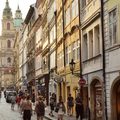
Through the Zadar Baštini project, former traffic corridors and parking areas along the historic city walls have been transformed into greener, pedestrian-friendly zones. The changes provide more space for pedestrians while improving the appearance and accessibility of the historic centre.
The city is also recognised for two distinctive waterfront attractions: the Sea Organ and Greeting to the Sun, both of which combine natural elements with modern technology.
The Zadar Sea Organ is one of Zadar’s best-known attractions. Built into the waterfront, it uses the movement of sea waves to produce musical sounds through a system of pipes installed beneath the promenade. As waves push air through the pipes, they create constantly changing tones, making the Adriatic Sea itself the source of the music.
Nearby, the Greeting to the Sun uses photovoltaic panels to collect solar energy during the day and power a colourful light installation after sunset. Its changing light patterns have made it a popular meeting point for visitors enjoying the waterfront in the evening.
Both installations demonstrate how natural resources and technology can be incorporated into public spaces while creating distinctive visitor attractions.
Artificial intelligence used to monitor the Adriatic Sea
Marine protection is another important part of Zadar’s approach to tourism development.
The Zadar Cruise Port uses artificial intelligence and satellite data to monitor marine conditions in real time. An application provides information about seawater quality and potential pollution indicators, making the monitoring data accessible to both residents and visitors.
The main objective is to improve transparency regarding the environmental impact of cruise ship traffic and support the protection of local marine ecosystems.
The city has also upgraded its water supply and wastewater treatment systems. These improvements are designed to reduce pollution risks and improve water efficiency, particularly important during the summer season when visitor numbers and demand for public services increase.
Green Urban Renewal Strategy 2025-2034
Zadar has adopted the Green Urban Renewal Strategy for 2025-2034, establishing a ten-year framework for improving the city’s green and blue infrastructure.
The strategy includes the development of new green areas, improvements to public spaces and investment in sustainable urban infrastructure.
One of its priorities is addressing the effects of summer heatwaves, which are an increasing challenge for Mediterranean cities. New green zones and additional vegetation can provide shade, reduce urban temperatures and make public areas more comfortable during hot weather.
The strategy also aims to strengthen the connection between the city’s urban areas and its coastal environment, ensuring that green and blue infrastructure forms part of future planning.
Zadar’s position in European tourism
Being shortlisted for the 2027 European Capital of Tourism competition provides international recognition for Zadar’s work in cultural preservation, urban renewal and environmental management.
The projects highlighted in its application range from the transformation of streets around the historic city walls to the use of artificial intelligence for marine monitoring. They demonstrate different ways in which a mature coastal destination can address the challenges associated with tourism growth.
For Zadar, protecting its historic centre, waterfront and surrounding marine environment is particularly important, as these are among the main attractions drawing visitors to the city.
The competition also gives the Croatian destination an opportunity to present its initiatives to a wider European audience and share its experience with other cities working towards similar goals.
With its combination of historic landmarks, innovative waterfront installations and new urban development projects, Zadar is positioning itself as a destination looking beyond traditional tourism promotion.