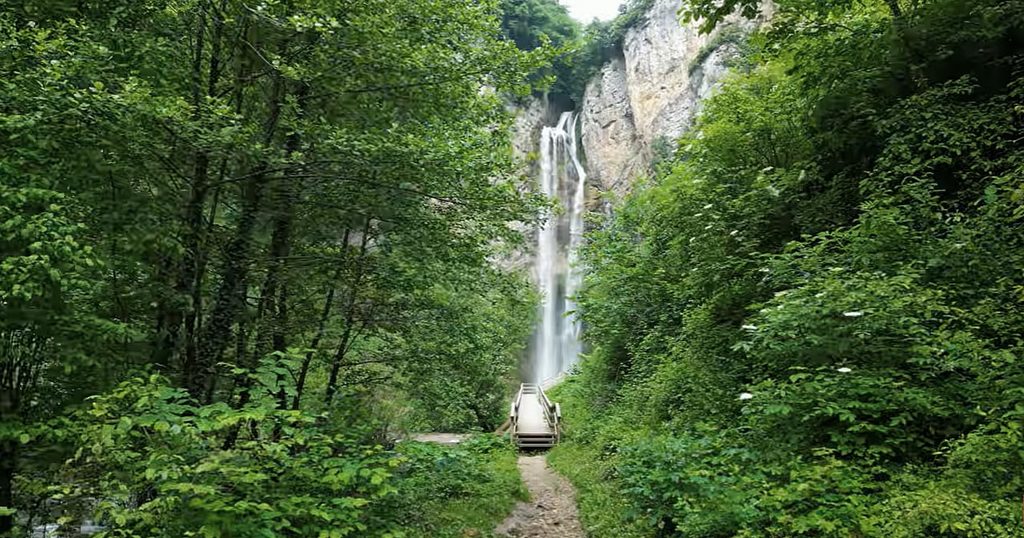
Bliha Waterfall, also known as Blihin Skok, is one of the most impressive natural attractions in northwestern Bosnia and Herzegovina. Located near the villages of Fajtovci and Gornji Kamengrad, approximately 14 kilometres from Sanski Most, the waterfall stands out for its dramatic drop, wooded surroundings and the small lake that forms beneath it.
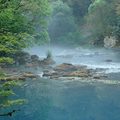
Unlike some of the country’s more famous waterfalls, Bliha is tucked away in a relatively quiet natural setting. Reaching it involves a short walk through the forest, after which visitors are rewarded with a view of the water plunging over a rocky cliff into the pool below.
The waterfall is part of the protected natural area known as Blihin Vodopad Nature Park. It is a good destination for anyone exploring the Sanski Most region and can be combined with other natural attractions nearby like Janjske Otoke
Where Is Bliha Waterfall?
Bliha Waterfall is situated on the Bliha River in the municipality of Sanski Most, in northwestern Bosnia and Herzegovina. It lies between Fajtovci and Kamengrad, around 14 kilometres from the town centre.
The Bliha River flows through the area before joining the Sana River. Although relatively small compared with some of the country’s major rivers, it creates a striking waterfall as it reaches the rocky cliff.
The waterfall is often described as approximately 56 metres high, although published sources give different measurements. Its local name, Blihin Skok, translates roughly as Bliha’s Jump and reflects the dramatic appearance of the falling water.
The site has been recognised for its natural value and protected as a natural monument. It forms part of the wider Blihin Vodopad Nature Park, an area of woodland and natural scenery surrounding the waterfall.
What Makes Bliha Waterfall Special?
The main attraction is the contrast between the relatively narrow river and the impressive waterfall it creates. The water reaches the edge of the rocky formation and drops almost vertically into a natural pool below.
The surrounding landscape adds to the experience. Forest vegetation covers much of the area, while the rocks and greenery around the waterfall create a secluded atmosphere. Depending on the season and water levels, the waterfall can appear quite different, with stronger flows generally producing a more dramatic display.
Bliha is particularly attractive for photography. Visitors can capture the waterfall from the viewing area and enjoy the natural surroundings along the approach.
It is worth remembering that this is a protected natural site. Visitors should remain on designated paths and avoid disturbing the vegetation or natural formations.
How to Visit Bliha Waterfall
Reaching the waterfall is relatively straightforward once you arrive in the area. The site is accessible by road from Sanski Most, with the final section involving a short walk through the woodland.
The walking route from the parking area is generally described as taking around 10 to 15 minutes, although the exact time depends on where you park and the conditions of the path.
The walk is not particularly demanding, making the waterfall suitable for visitors who do not want to undertake a long hike. Nevertheless, comfortable shoes are recommended. The path can become slippery after rain, and care is needed around wet rocks and uneven surfaces.
Allow additional time to enjoy the waterfall rather than treating it as a quick roadside stop. The forest surroundings and views of the river are part of the attraction.
Before travelling, check locally whether the access road, visitor facilities and any entrance arrangements have changed. Published information about facilities and fees is not always consistent or current.
Best Time to Visit Bliha Waterfall
Spring and early summer are generally good times to visit Bliha Waterfall. The river can carry more water after seasonal rainfall, making the cascade particularly impressive, while the surrounding woodland is fresh and green.
Summer is also a pleasant period for a visit. The shaded forest provides a welcome break from the heat, and the waterfall makes a relaxing stop during a road trip around the region.
Autumn brings different colours to the woodland and can be particularly attractive for photography. After heavy rainfall, however, the paths may be muddy or slippery.
Winter offers a different atmosphere, although weather conditions can make access more difficult. Check local conditions before setting out during colder months.
Other Places to Visit Near Bliha Waterfall
The waterfall is a good starting point for exploring the natural and historical attractions around Sanski Most. If you have more time, consider adding some of the following places to your itinerary.
Dabar Cave
Dabar Cave, also known as Dabarska Pećina, is one of the natural attractions in the wider Sanski Most area. The cave is associated with the Dabar River and is of interest for its underground formations and archaeological history.
Evidence of prehistoric human activity has been reported in the cave, making it interesting not only for nature enthusiasts but also for visitors interested in the early history of the region.
A visit to Dabar Cave can be combined with Bliha Waterfall, although you should check access arrangements separately before planning the trip.
Dabar Spring
Dabarsko Vrelo is another interesting natural feature near Sanski Most. It is a powerful karst spring where water emerges from the rocks and forms the beginning of a river.
The spring offers a different experience from the waterfall, with its clear water and surrounding rocky landscape. It is worth considering if you are exploring several natural attractions around the town.
Kamengrad Fortress
For a change of scenery, visit the remains of Kamengrad Fortress, situated on a hill above the village of Donji Kamengrad. The medieval settlement has an important place in the history of the region and is associated with the Ottoman conquest of Bosnia.
Although only parts of the historic fortification remain, the site offers an interesting glimpse into the area’s past and provides views of the surrounding landscape.
Sanski Most
The town of Sanski Most is worth exploring if you have time beyond the waterfall. It is known for its rivers, green surroundings and historic buildings.
The Sana River runs through the town, while several smaller rivers and streams contribute to the area’s distinctive landscape. Visitors can enjoy a walk through the centre, discover local cafés and restaurants, and learn more about the history of this part of Bosnia and Herzegovina.
How to Get to Bliha Waterfall
The most convenient way to visit Bliha Waterfall is by car. From Sanski Most, follow the local road towards Kamengrad and Fajtovci. The journey takes visitors into the countryside west of the town, where the waterfall is signposted.
If you are travelling from other parts of Bosnia and Herzegovina, Sanski Most is the most useful reference point for planning your journey.
Public transport options to the waterfall itself are limited. Although buses serve Sanski Most, reaching the site from the town without a car may require a taxi or a locally arranged transfer.
Visitors travelling around north-western Bosnia can also include Bliha Waterfall in a longer road trip that takes in the wider Krajina region and Una National Park. The two attractions are separate destinations, so allow enough time for the journey between them.
Is Bliha Waterfall Worth Visiting?
Bliha Waterfall is a worthwhile stop for travellers who enjoy discovering less familiar natural attractions in Bosnia and Herzegovina. Its impressive cascade, forest setting and relatively short walking approach make it suitable for a relaxed excursion from Sanski Most.
It is not a large visitor complex with extensive facilities or a full programme of activities. Its appeal lies in the natural scenery and the opportunity to explore a quieter part of the country.
If you are travelling through north-western Bosnia, consider combining Bliha Waterfall with Dabar Cave, Dabarsko Vrelo and a visit to Sanski Most. Together, these attractions offer a good introduction to the natural and historical heritage of the region.
Similar info:
 Janjske Otoke, Bosnia and Herzegovina: A Guide to the Waterfalls and River Landscapes
 Počitelj, Bosnia and Herzegovina: A Guide to the Historic Ottoman Village
 Jajce, Bosnia and Herzegovina: Waterfalls, Lakes and Historic Attractions
 Una National Park, Bosnia and Herzegovina: Waterfalls, Rafting and Outdoor Activities