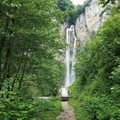
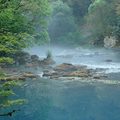
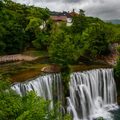
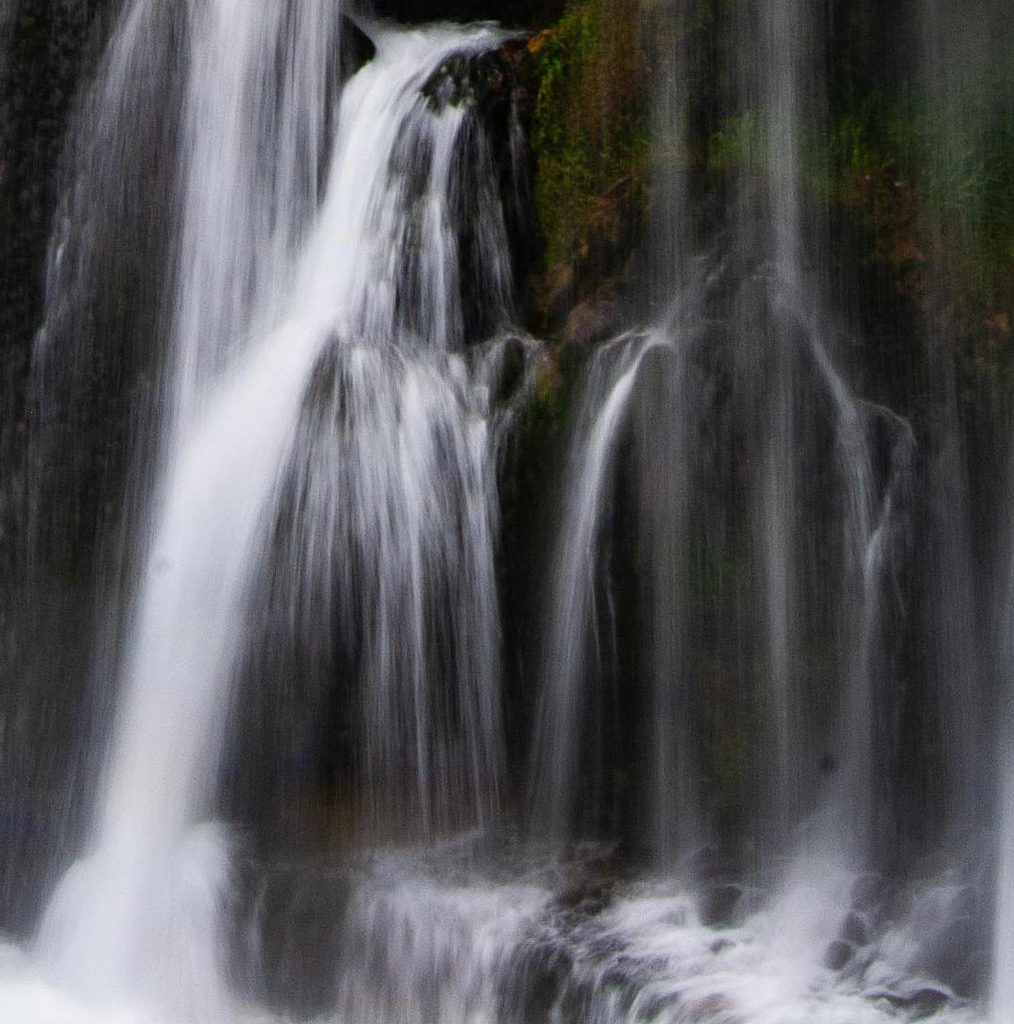
Janjske Otoke is one of the most attractive natural destinations in the western part of Bosnia and Herzegovina. Located near the small town of Šipovo, this peaceful area is known for the clear waters of the Janj River, numerous small waterfalls, moss-covered banks and lush greenery. Wooden bridges and traditional features along the river add to the charm of the landscape, making it an appealing place for a relaxing walk and a break from sightseeing.
Unlike some of the country’s better-known natural attractions, Janjske Otoke is not centred on one large waterfall or a single viewpoint. Instead, the appeal lies in the network of small streams and cascades that flow through a green karst valley. Visitors can follow the water, explore the riverside paths, take photographs and enjoy the quiet surroundings.
The area is also a good starting point for discovering other natural and cultural attractions around Šipovo, including the Janj primeval forest and the springs of the Pliva River.
Where Are Janjske Otoke?
Janjske Otoke is located in the municipality of Šipovo, in the western part of Bosnia and Herzegovina. The attraction lies beside the road connecting Šipovo and Kupres, approximately 13 kilometres from the centre of Šipovo according to the regional tourist organisation.
The site takes its name from the Janj River, which rises in a karst landscape south of the town. After emerging from its spring, the river travels through a canyon before reaching the area of Janjske Otoke. Here, the water spreads into numerous channels and smaller streams, creating a series of cascades and waterfalls.
The landscape is relatively compact, with the main valley extending for approximately one kilometre. This makes it suitable for visitors who want to explore on foot without undertaking a demanding hike.
What Makes Janjske Otoke Special?
The main attraction is the unusual appearance of the Janj River as it passes through the valley. Rather than following one clearly defined channel, the water divides into several smaller streams, flowing around vegetation and over natural tufa formations.
These deposits create small steps and cascades, while the surrounding greenery gives the area the appearance of a natural park. In some places, the water flows gently through narrow channels; elsewhere it gathers speed and tumbles over small waterfalls.
The combination of clear water, dense vegetation, and shaded riverside paths makes Janjske Otoke particularly pleasant during warmer months. It is also an interesting place for photography, with different views along the river and plenty of opportunities to capture the cascades and wooden structures.
The area is sometimes described as the Janj Islands, although it is not an archipelago in the usual sense. The name refers to the branching streams and distinctive landscape formed by the river.
Things to See and Do at Janjske Otoke
Walk Along the Janj River
Walking beside the river is the main activity at Janjske Otoke. Paths and small bridges allow visitors to explore different sections of the waterway and see how the river divides into multiple channels.
The surroundings are especially attractive for anyone who enjoys peaceful natural settings. There is no need to follow a demanding route or plan a full day of hiking. A leisurely walk, with stops to enjoy the views and take photographs, is enough to appreciate the area.
Take care near the water, particularly where paths and rocks are wet. The banks can be slippery, and visitors should avoid climbing onto fragile natural formations.
Discover the Cascades and Small Waterfalls
Janjske Otoke is known for its many small cascades rather than one dominant waterfall. The water flows over layers of tufa, forming natural steps and shallow falls throughout the valley.
The appearance of the river changes with the seasons and water levels. During periods of stronger flow, the cascades can be particularly impressive, while in warmer weather the surrounding vegetation provides shade along the river.
Allow enough time to explore rather than stopping at the first attractive viewpoint. Different sections of the river offer different perspectives.
See the Traditional Watermills
Traditional watermills are another feature associated with the landscape of Janjske Otoke. They reflect the historical relationship between local communities and the river, which provided water power as well as resources for everyday life.
The old-style structures add character to the riverside scenery and make the area more than just a natural attraction. They also provide an insight into traditional rural life in this part of Bosnia and Herzegovina.
Enjoy a Relaxing Break in Nature
Janjske Otoke is a good destination for a short escape from busy towns and more crowded tourist attractions. Visitors can spend time walking, enjoying the sound of the river and relaxing in the shade.
Local hospitality and traditional food are also part of the experience of visiting the wider Šipovo area. Regional specialities include fresh trout, Janj kajmak and Janjska pletenica, a traditional local food product.
Other Places to Visit Near Janjske Otoke
A visit to Janjske Otoke can easily be combined with other attractions around Šipovo. The wider area has several interesting natural and cultural sites.
Janj Primeval Forest
The Janj primeval forest is one of the most important natural areas in Bosnia and Herzegovina. It covers 295 hectares and was included in the UNESCO World Heritage property Ancient and Primeval Beech Forests of the Carpathians and Other Regions of Europe in 2021.
The protected forest contains old-growth beech trees and a valuable ecosystem that has developed with very limited human intervention. It is an important habitat for wildlife and an example of the region’s natural heritage.
However, visiting the forest is not the same as walking freely through an ordinary woodland. Access to the protected area requires prior permission and an authorised guide. Visitors should arrange a visit in advance rather than arriving expecting unrestricted access.
Springs of the Pliva River
The springs of the Pliva River are another worthwhile stop in the Šipovo area. Several karst springs come together to form the river, creating a clear-water landscape surrounded by greenery.
The Pliva is particularly well known among anglers, especially those interested in fly fishing. It continues towards Jajce, where it forms the famous waterfall in the town centre.
If you are planning to visit Jajce as well, read our guide to Things to Do in Jajce, which covers the waterfall, Pliva Lakes, historic fortress and other attractions.
Glogovac Monastery
Glogovac Monastery is a historic Serbian Orthodox monastery located in the wider Janj area. Dedicated to Saint George, it dates back to the medieval period and is associated with the religious and cultural history of the region.
Its setting in a quiet valley makes it an interesting stop for visitors who want to discover more than the area’s natural attractions.
Vagan Cave
Vagan Cave, also known as Vaganska Pećina, is another natural attraction in the Šipovo municipality. It is located near the village of Vagan, along the road towards Kupres, and is known for its stalactites, stalagmites and other cave formations.
The cave has a visitor route through part of its underground chambers. Opening arrangements are seasonal, so check with the local tourist organisation before planning a visit.
How to Get to Janjske Otoke
The easiest way to reach Janjske Otoke is by car. The attraction is located beside the road between Šipovo and Kupres, making it relatively straightforward to include in a road trip through western Bosnia and Herzegovina.
Jajce is another useful starting point for exploring the area. From there, visitors can travel along local roads through Jezero and Šipovo before continuing to Janjske Otoke.
Public transport requires more planning. There are bus connections to Šipovo from some nearby towns, including Jajce and Banja Luka, but visitors generally need to arrange additional transport between Šipovo and Janjske Otoke. A taxi or private transfer may be necessary.
If you are travelling without a car, check local transport arrangements before setting off.
Best Time to Visit Janjske Otoke
Janjske Otoke can be visited throughout much of the year, although spring, summer and early autumn are generally the most convenient seasons for exploring the riverside paths.
Spring brings fresh greenery and flowing water, while summer offers pleasant conditions for spending time outdoors. The shade beside the river can make the location particularly appealing during warmer weather.
Autumn adds colour to the surrounding trees and creates a different atmosphere for photography. Winter can also transform the landscape, with frost forming around the water and vegetation, although walking conditions may be more difficult.
Regardless of the season, wear comfortable footwear with a good grip, as paths and surfaces close to the river can be damp.
Is Janjske Otoke Worth Visiting?
Janjske Otoke is a worthwhile stop for travellers interested in the natural side of Bosnia and Herzegovina. Its appeal comes from the combination of small waterfalls, clear streams, traditional watermills and peaceful woodland surroundings rather than a single famous landmark.
It is particularly suitable for a relaxed visit, a photography stop or a short nature excursion while exploring the Šipovo region. Combined with the Janj primeval forest, the springs of the Pliva River and nearby cultural attractions, it can also form part of a longer itinerary.
For visitors travelling between Jajce and other destinations in western Bosnia and Herzegovina, Janjske Otoke offers a pleasant opportunity to discover a quieter part of the country. Check out Bliha waterfall